What To Know Before Buying A Historic Home In Jackson MS
June 25, 2026
June 25, 2026
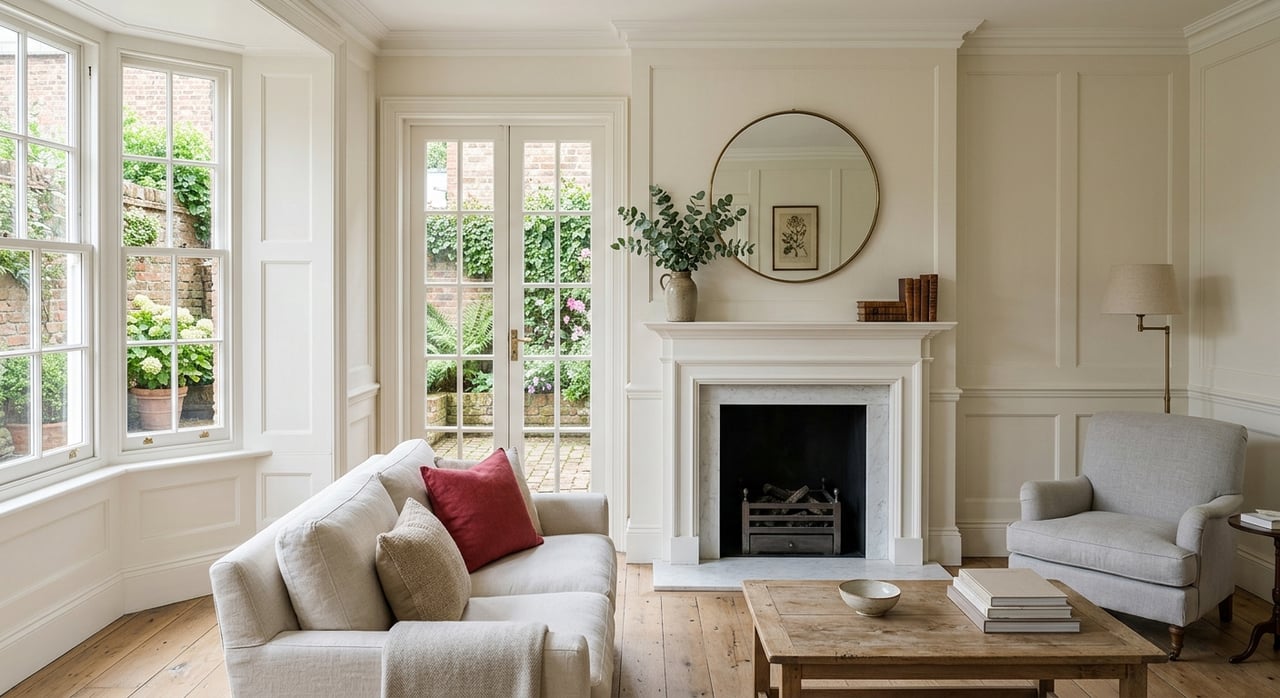
Dreaming about a historic home in Jackson? It is easy to fall for the details you cannot recreate, from original wood windows to deep front porches and classic architectural styles. But before you write an offer, you need to understand how age, maintenance, local rules, and insurance can shape both your budget and your plans. If you want to buy with confidence, this guide will walk you through the biggest things to check before moving forward. Let’s dive in.
In Jackson, the word historic can mean more than one thing. The city has five local historic districts: Farish Street, Medgar Evers Neighborhood, Morris, Belhaven Heights, and Belhaven. Four of those are also listed on the National Register of Historic Places.
The difference matters because local designation is what triggers Jackson’s design-review process. A National Register listing recognizes a property or area for its historic significance, but it is not the local control mechanism for exterior changes. If you are buying in a local historic district, your renovation plans may need city review before work begins.
Jackson’s historic housing stock is not one-size-fits-all. Depending on the area, you may see Shotgun homes, Queen Anne, Classical Revival, Colonial Revival, Bungalow, Art Deco, Tudor Revival, Mission, Georgian or Colonial Revival, Greek Revival, and other vernacular or eclectic styles.
Many older homes in Jackson were built with wood framing, brick piers, clapboard siding, and prominent porches. That mix gives these homes their charm, but it also points to where wear and tear often shows up first. When you know the basic construction style, it becomes easier to spot issues that deserve a closer look.
If you are evaluating an older home, start with moisture. Preservation guidance notes that uncontrolled moisture is the most common cause of deterioration in older and historic buildings, and a weather-tight roof is a fundamental part of protecting the structure.
That means your early due diligence should focus on:
Even a beautiful historic home can hide expensive water problems. A small stain, soft trim board, or damp crawlspace can point to a much larger issue behind the walls or under the house.
Once you assess moisture, move to structure. Many older Jackson homes use wood framing, brick piers, clapboard siding, wood porches, and original wood windows, so buyers should pay close attention to the condition of those materials.
Some common warning signs include:
Moisture often gets in through open joints, aging paint, and worn sills. If a home has deferred exterior maintenance, the repair list can grow quickly. What looks like a simple paint job may really be a carpentry project underneath.
In a historic home, systems are never just cosmetic details. Mississippi Insurance Department guidance says wiring should be checked at least every five years by an approved contractor, or immediately when buying an older property.
That makes electrical review especially important during your inspection period. You also want to understand the age and condition of HVAC components, since preservation guidance notes that poorly integrated heating and cooling upgrades can damage historic materials. In other words, the question is not only whether the systems work, but whether they work in a way that respects the structure.
Older homes can come with hidden health and repair risks. Homes built before 1978 are more likely to contain lead-based paint, and asbestos should be assumed present if older materials are damaged or may be disturbed during remodeling.
Termites are another major concern. They often go unnoticed until visible damage appears or construction work exposes the problem. If you are considering a historic home in Jackson, it is smart to build pest evaluation and hazard awareness into your due diligence from the start.
If the property is inside one of Jackson’s local historic districts, exterior changes usually require a pre-application meeting and, when applicable, a Certificate of Appropriateness. That includes more than major additions or dramatic redesigns.
The city notes that some routine maintenance, such as replacing roofs, fascia boards, or a small amount of matching siding, may not require review. Still, that determination is made after the pre-application meeting. You should not assume your project is exempt just because it seems minor.
Historic-home projects often move slower than standard cosmetic updates. Before finalizing plans, you may need to confirm whether your proposed work fits the district guidelines and the city ordinance.
Jackson also states that rehabilitation projects should follow the Secretary of the Interior’s Standards along with any district-specific guidelines. If you want to update the exterior, windows, siding, porch details, or other visible features, plan extra time for review and revisions.
Your renovation budget should include both the work you can see and the work you may uncover later. Historic guidelines encourage owners to use architects and preservation consultants, and that can be a wise investment when you are dealing with original materials or district review.
Research can help too. The Mississippi Department of Archives and History maintains records and an inventory database that may help confirm a home’s age, architect, builder, and designation history before you finalize your plans.
Jackson’s guidelines note that the city’s ordinance includes an ad valorem tax exemption program for qualifying improvements. That can be valuable, but it is not automatic.
The exemption only applies after a Certificate of Appropriateness is obtained and the work is completed as approved. If you are counting on that benefit, make sure you understand the approval path early in the process.
With a historic home, purchase price is only part of the picture. Mississippi Insurance Department guidance says homeowners should insure for enough to rebuild at current replacement cost, not just the price they paid for the property.
That matters because a partial-loss claim can be reduced if coverage is below 80 percent of replacement cost. Older homes also typically cost more to insure, and several factors can affect the rate, including:
The same guidance notes that brick or masonry homes usually cost less to insure than wood-framed homes. Since many historic homes in Jackson include wood-frame construction, insurance quotes should be part of your buying process, not an afterthought.
One of the most important insurance facts is simple: standard homeowners insurance does not cover flood. If you are buying in Jackson, you should verify flood exposure separately before you close.
Jackson participates in the National Flood Insurance Program, and the city provides FIRM information through its Engineering Division. Flood-hazard information is also used for insurance and planning, so it is worth checking early if the property has any known floodplain concerns.
Buying a historic home is easier when you have the right people around you. In Jackson, a practical team often includes the city Historic Preservation Planner, a preservation-minded architect or consultant, a home inspector familiar with older construction, a licensed contractor, and an insurance agent who understands replacement cost and flood coverage.
This kind of team can help you separate manageable maintenance from true red flags. It can also help you understand whether a home is a great fit for your goals, your timeline, and your renovation comfort level.
Before you move forward on a historic home in Jackson, ask a few direct questions:
These questions will not answer everything, but they will help you spot where deeper review is needed.
A historic home can offer character, craftsmanship, and a strong sense of place that newer homes often cannot match. At the same time, buying one in Jackson means looking beyond curb appeal and understanding how moisture, structure, systems, approvals, and insurance all work together.
When you go in with a clear plan, the process feels much less overwhelming. If you are exploring historic homes in Jackson and want steady, local guidance from search to closing, Marketplace Real Estate is here to help.
Stay up to date on the latest real estate trends.
We pride ourselves in providing personalized solutions that bring our clients closer to their dream properties and enhance their long-term wealth. Contact us today to find out how we can be of assistance to you!